How to Read Our Lab Report: The Risachi COA, Explained Line by Line
Medically reviewed for accuracy by Dr. Bruce Rubinowicz, Board-Certified Neurologist & Sleep Medicine Specialist

Quick Answer
A certificate of analysis (COA) is a third-party lab report verifying what is actually inside a supplement. Risachi publishes the COA for every batch. Reading one takes about two minutes once you know the three checks: the lab's name and accreditation (it must not be the manufacturer), the potency panel (does measured CBN and CBG match the label?), and the THC line (Risachi tests non-detectable). The same checklist exposes weak COAs from any brand: missing lab names, potency-only panels, expired reports, or results that don't match the product being sold.
A certificate of analysis (COA) is a report from an independent laboratory stating what a product actually contains. It is the only document in the supplement world that verifies a label instead of repeating it. Risachi publishes ours for every batch at risachihealth.com/coa-sleep-gummies.pdf — and this guide walks through it line by line, because a lab report you can't read is just decoration.
Why a Lab Report Matters More Than a Label
Supplements are not pre-approved by any agency before sale. The label is a claim; the COA is a measurement. The gap between those two can be enormous: a 2023 JAMA analysis found 22 of 25 melatonin gummies sold in the US contained between 74% and 347% of their labeled dose, and one contained no melatonin at all — it contained CBD instead. That study is the entire argument for third-party testing in one sentence.
Check 1: Who Ran the Test
The first thing to find on any COA is the laboratory's name and address, usually at the top of the report. The lab must be a third party — independent of the brand and the manufacturer. In-house test results are better than nothing, but they are the manufacturer grading its own homework.
Check 2: The Potency Panel
The heart of the COA is the potency table: measured milligrams of each cannabinoid, per gummy or per serving. Check which basis a brand is using before you compare two products, because the same number means two different things depending on the answer. On the Risachi COA, the two lines that matter are CBN and CBG. The label says 20mg CBN and 15mg CBG per gummy; the potency panel is where an independent lab confirms the gummies actually deliver it. Small variances are normal in manufacturing — a measured value within roughly 10% of the label is the widely used benchmark. What you should never see is a large gap, or a potency line for an ingredient the label doesn't mention.
Check 3: The THC Line
Risachi gummies are made with hemp-derived CBN and CBG, and every batch tests non-detectable for THC — on the COA this reads as "ND." That is a stricter result than the 0.3% federal hemp threshold: not merely under the legal limit, but below what the instrument can detect at all.
One honest caveat we make everywhere, including here: no supplement brand can promise you a drug-test outcome, because tests, thresholds, and individual factors vary. What a COA gives you is the measured input — non-detectable THC in the product. If your career depends on a test, read the COA and talk to your employer or doctor before taking anything.
Red Flags on Any Brand's COA
The same three checks expose a weak lab report from any company. Walk away from a sleep gummy when you see:
We built our buying guide around exactly these checks: How to Choose a Sleep Gummy.
Why We Publish It
Publishing a COA costs a brand nothing if the product matches its label — which is precisely why the brands that don't publish one are telling you something. Transparency is cheap when you have nothing to hide. Every Risachi batch gets tested, every report gets published, and if you ever want the COA for a specific batch number, email [support@risachihealth.com](mailto:support@risachihealth.com) and we'll send it.
Sources
Frequently Asked Questions
What is a COA on a supplement?
A certificate of analysis is a report from an independent laboratory stating what a product actually contains — the measured amount of each active ingredient, plus screens like THC content. It is the only document that verifies a label's claims rather than repeating them.
Where is the Risachi COA?
It is published at risachihealth.com/coa-sleep-gummies.pdf and linked from the product page. It covers the current batch and verifies CBN and CBG potency against the label plus non-detectable THC.
What should the THC line on a COA say?
For a product marketed as THC-free, look for 'ND' (non-detectable) rather than just a number under the 0.3% federal hemp limit. Risachi batches test non-detectable. A COA that omits the THC line entirely is a red flag.
How do I know a COA is real and not just marketing?
Check three things: the testing lab is named and is not the manufacturer, the report date is recent, and the measured potency actually matches the product and batch being sold. A 'COA' with no lab name, no date, or numbers that don't match the label proves nothing.
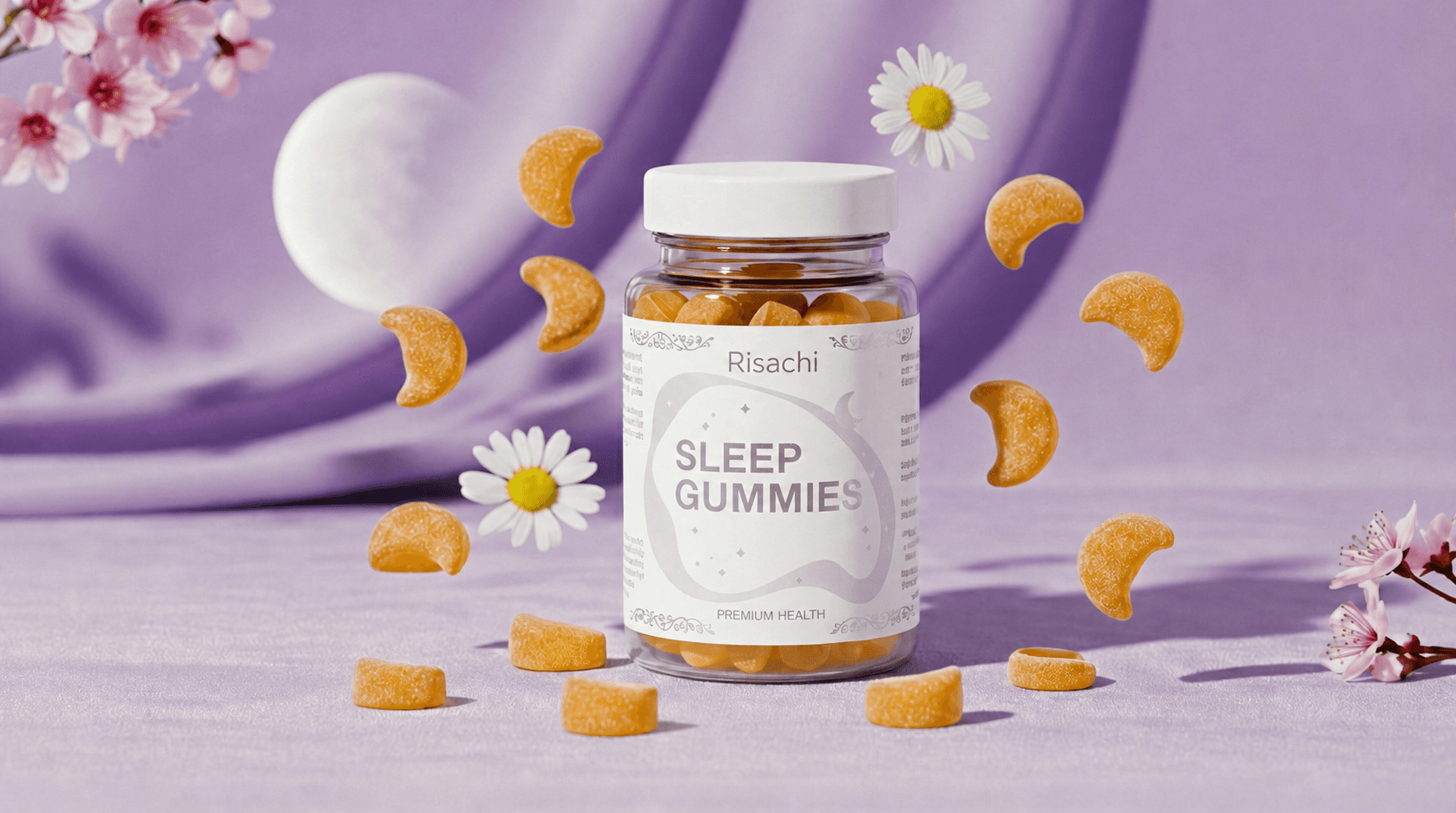
From Risachi
Sleep Collection Gummies
20mg CBN + 15mg CBG + 500mg Montmorency tart cherry per gummy. Melatonin-free.
- Melatonin-free — no morning fog
- Third-party lab tested, COA published
- Vegan, non-habit forming
$88.5024 Gummies per bottle
60-day money-back guarantee · Bundle savings available
Reading List
Get the next breakdown before anyone else
New sleep-science articles and lab-testing explainers, reviewed by a board-certified sleep-medicine physician. No daily email.
Educational content only — not medical advice. Unsubscribe anytime.